Tag: nutrition

  • The 5 Best Tasting Ready To Drink Protein Shakes, Reviewed

    We tasted a wide range of ready to drink protein shakes to save you the work!

    After a grueling workout session at your local park gym, or perhaps a challenging home workout, protein is crucial for recovery and muscle growth. But let’s be honest, sometimes whipping up a full, protein-packed meal isn’t practical when you’re on the go, juggling life, or simply don’t have the energy.

    That’s where ready-to-drink protein shakes come in to their own. They’re convenient, delicious, and an efficient way to get high-quality protein into your system quickly. Perfect for that post-workout window, or even as a high-protein snack to keep you feeling full between meals. But with so many options lining the supermarket shelves and online stores, how do you choose the best one?

    We’ve done the hard work for you, diving into the most popular and affordable protein shakes available in the UK in 2025. We’ve looked at protein content, ingredients, taste, and overall value to bring you our top 5 picks.

    For 4 of our 5 recommended picks we’ve also included a link to a multi-buy option, which are usually better value than buying the bottles individually.


    Protein Shake Comparison Table

    Here’s a quick overview of our top 5 contenders to help you compare at a glance. (Note: Nutritional values are approximate and may vary slightly by flavour and batch. Prices are subject to change.)

    ProductProtein (per serving)Calories (approx.)Sugar (approx.)Key Highlight
    UFIT High 25g Protein Shake25g158 kcal11gBalanced macros, great taste
    Grenade High Protein Shake26g182 kcal7gLow sugar, dessert-like flavours
    Optimum Nutrition High Protein Shake50g244 kcal20gTrusted brand, classic flavour
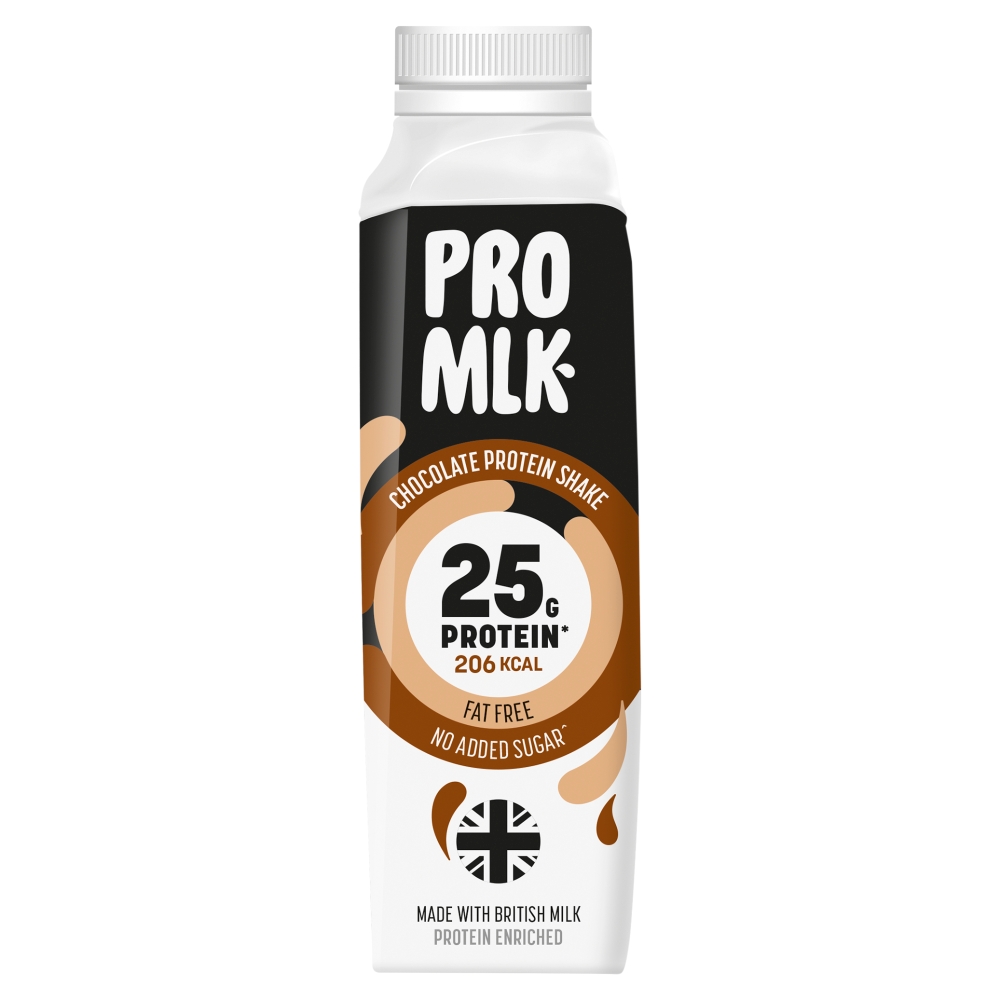
    Pro Mlk Protein Shake25g206 kcal20gSmooth texture, good value
    For Goodness Shakes15g248 kcal43gRecovery focus, higher carbs and sugars

    Our Top 5 Best Protein Shakes for 2025

    1. UFIT High 25g Protein Shake, Chocolate

    UFIT High 25g Protein Shake, Chocolate

    UFIT has become a staple in many UK fridges, and for good reason. Their 25g protein shake offers a fantastic balance of protein, carbohydrates, and fats, making it a well-rounded option for both post-workout recovery and a satisfying snack. The chocolate flavour is consistently praised for its smooth, rich taste that avoids the artificial aftertaste some protein drinks can have. It’s not overly thick, making it easy to drink quickly when you’re on the move after a park gym session.

    • Pros: Excellent taste and texture (smooth, not chalky). Good balance of macros for recovery and satiety. Widely available in supermarkets and online. Reliable protein content.
    • Cons: Slightly higher in sugar and calories compared to some ultra-low-carb options. Price per shake can add up if bought individually.

    Check Price on Amazon


    2. Grenade High Protein Shake, Fudge Brownie

    Grenade High Protein Shake, Fudge Brownie

    Grenade burst onto the scene with their popular protein bars, and their shakes quickly followed suit, living up to the brand’s reputation for bold flavours and serious protein. The Fudge Brownie shake is a standout, offering a genuinely indulgent taste without the high sugar content often found in other “dessert” flavoured options. It’s a fantastic choice for those looking to keep their carb and sugar intake low while still getting a significant protein hit.

    • Pros: Exceptionally low in sugar. Great for those on a lower-carb diet. Delicious, dessert-like flavours that curb cravings. Good protein content per serving.
    • Cons: Can be slightly thicker than some other shakes, which might not suit everyone. Some find the sweetness intense due to artificial sweeteners.

    Check Price on Amazon


    3. Optimum Nutrition High Protein Shake, Vanilla

    Optimum Nutrition High Protein Shake, Vanilla

    Optimum Nutrition is a powerhouse name in the supplement industry, known for its high-quality protein powders. Their ready-to-drink shakes bring that same trusted quality in a convenient format. The Vanilla flavour is a classic for a reason – it’s clean, refreshing, and versatile enough to enjoy on its own or even mixed into a quick smoothie. This shake provides a solid 25g of protein, making it an excellent choice for serious recovery after a tough session at the pull-up bars or a long run.

    • Pros: Comes from a highly reputable and trusted brand. Clean, classic vanilla flavour that’s not overpowering. Good protein-to-calorie ratio. Reliable for consistent results. Packs a huge 50 grams of protein into a single 500ml bottle.
    • Cons: Can sometimes be on the pricier side compared to some other options. Flavour range might be less adventurous than some competitors.

    Check Price on Amazon


    4. Pro Mlk Protein Shake, Chocolate

    Pro Mlk Chocolate Protein Shake

    Pro Mlk has carved out a strong reputation for offering great value without compromising on taste or protein content. Their Chocolate protein shake is a smooth, satisfying option that delivers 25g of protein in a convenient bottle. It’s often a go-to for those looking for a reliable, everyday protein boost that’s easy on the wallet, making it a perfect fit for the budget-conscious outdoor fitness enthusiast. Its consistency is often described as similar to regular chocolate milk, making it very palatable.

    • Pros: Excellent value for money, especially when bought in multipacks. Smooth, easy-to-drink texture. Good, classic chocolate flavour. Reliable protein content.
    • Cons: May not be as widely available in all local supermarkets as some larger brands. Flavour range can be more limited – with only 3 flavours (chocolate, strawberry, vanilla) currently available.

    (Please note: We do not have an affiliate link for this product at this time, but it remains a strong recommendation based on its quality and value.)


    5. For Goodness Shakes, Chocolate

    For Goodness Shakes Chocolate Recovery Protein Shake

    For Goodness Shakes has been a long-standing favourite in the UK for recovery, particularly among runners and endurance athletes. While it provides 15g of protein, it also typically includes a higher carbohydrate content, making it an excellent choice for replenishing glycogen stores after longer or more intense workouts – perhaps after a full-body circuit at the park or a challenging run. The chocolate flavour is generally well-received, offering a comforting and familiar taste.

    • Pros: Higher carbohydrate content ideal for post-endurance recovery. Good taste and widely available. Contains added vitamins and minerals for overall well-being.
    • Cons: Has a much higher sugar content which might not be suitable for those on strict low-carb diets. Can be slightly more expensive per shake.

    Check Price on Amazon


    Your Buying Guide: Choosing the Best Protein Shake for YOU

    With so many great options, how do you pick the perfect protein shake for your needs? Consider these factors before you buy:

    1. Protein Content & Source

    Most ready-to-drink shakes offer 20-30g of protein per serving, which is a great amount for muscle repair and growth. Check the source – most will be whey or casein (milk-based proteins), which are excellent for muscle synthesis. If you’re plant-based, look for shakes made from pea, soy, or a blend of plant proteins.

    2. Calories & Macros (Carbs & Fats)

    Your overall diet and goals play a big role here. If you’re aiming for fat loss, you might prefer a lower-calorie, lower-sugar option (like Grenade). If you’ve just completed a long, intense workout (like a long run or a big circuit at the park), a shake with a few more carbs (like For Goodness Shakes) can be beneficial for replenishing energy stores.

    3. Sugar Content

    While some sugar can be useful post-workout, many prefer to limit it. Check the nutrition label. Many brands use artificial sweeteners to keep sugar low, which is fine for most, but some individuals prefer to avoid them.

    4. Taste & Texture

    This is highly personal! What one person loves, another might dislike. Look for reviews on taste and texture. Some prefer thicker, milkier shakes, while others want something lighter. Starting with a single bottle before buying a multipack can be a good idea to find your favourite.

    5. Price & Value

    Ready-to-drink shakes are more expensive than protein powder, but the convenience often justifies the cost. Look for multipacks via the links in this article, as they usually offer much better value per shake.

    6. Dietary Needs & Allergens

    Always check for allergens like dairy or soy if you have sensitivities. Some brands offer lactose-free or plant-based options.


    Final Thoughts

    Ready-to-drink protein shakes are a fantastic tool for convenient protein intake. Our top 5 picks offer a range of options to suit different tastes, budgets, and dietary needs. Experiment, find what works for you, and keep fuelling your progress!

    To support our website, this article contains links which may earn us a small commission at no extra cost to you. All products shown have been researched, and any links to affiliate products do not influence our reviews.

  • Should You Have Protein Before or After a Workout? The Truth Might Surprise You…

    Should You Have Protein Before or After a Workout?

    Protein plays a key role in any workout routine — it’s the foundation for building and repairing muscles, supporting recovery, and fuelling your body for performance. But when it comes to when you consume it, does timing actually make a difference?

    Here’s what you need to know about protein timing, how it can support your training, and how to make it work for your goals.


    First Things First: Daily Protein Intake Comes First

    Before worrying about timing, the most important factor is hitting your daily protein intake. Whether you’re trying to build strength, support recovery, or maintain lean muscle, consistently reaching your daily target matters more than whether you have your shake before or after your session.

    You can meet your protein needs through whole foods, and for many people, that’s both the most effective and affordable approach. While some choose to supplement with powders, most people can hit their protein goals affordably using whole foods alone. If you’re looking for practical tips on eating more protein without breaking the bank, check out our guide to budget-friendly protein sources.


    So, Does Timing Matter?

    While exact timing isn’t critical, there are still benefits to consuming protein around your workouts — especially if you’re training hard or have specific goals like muscle growth or performance.

    The sweet spot? Try to eat a protein-rich meal or snack within four to six hours around your workout window. That might mean a meal beforehand and a snack after, or vice versa — whatever works best for your schedule and digestion.


    Benefits of Eating Protein Before a Workout

    Eating protein 30 to 45 minutes before your workout, ideally with some carbohydrates, can offer several benefits:

    • Fuel your muscles: Protein supports energy production and muscular endurance, especially during more intense sessions.
    • Reduce muscle breakdown: Training causes small muscle fibre tears — having protein available can help reduce breakdown and kick-start repair.
    • Support muscle adaptation: Pre-workout protein may enhance how well your muscles respond and adapt to training.
    • Feel fuller and more focused: A protein-rich snack can help prevent hunger pangs mid-session and keep your energy levels steady.

    Good options include Greek yoghurt with oats, eggs on toast, or a light protein smoothie if you’re short on time.


    Benefits of Eating Protein After a Workout

    Post-workout protein helps kick-start recovery. Aim to eat within 30 to 60 minutes if possible, though research shows this window is flexible.

    Benefits include:

    • Muscle repair and growth: Protein helps rebuild muscle fibres that are broken down during training.
    • Less soreness and inflammation: Protein supports recovery and may help reduce inflammation that leads to delayed-onset muscle soreness.
    • Replenish energy: A post-workout protein snack or meal can restore energy and support hydration.
    • Support lean muscle gains: Regular post-training protein helps maintain and build lean mass over time.

    Quick post-workout options: eggs and wholegrain toast, a chicken wrap, or cottage cheese with fruit.


    Protein for Different Workout Types

    Your needs can also vary depending on the intensity of your workouts:

    • High-intensity training (like CrossFit, HIIT, or endurance running): Eat a mix of carbs and protein before and after training for best performance and recovery.
    • Lower-intensity sessions (like yoga, walking, or bodyweight workouts): You may not need a specific protein shake — just ensure your usual meals include enough protein.

    Daily Protein Goals and How to Hit Them

    Most people benefit from 1.1 to 1.5 grams of protein per kilogram of bodyweight per day, especially if they’re active. That’s higher than the general minimum of 0.75g/kg/day often recommended.

    To make it easier:

    • Aim for 20–40g of protein per meal, spread over 3–5 meals/snacks per day.
    • Don’t forget carbs — a general ratio of 3:1 (carbs:protein) supports recovery. If you’re aiming for fat loss, a 2:1 ratio may be more appropriate.

    Need ideas for affordable protein-rich foods? Here’s our guide to budget-friendly protein sources.


    Protein Sources to Focus On

    Getting a mix of complete and incomplete proteins helps cover all essential amino acids:

    • Complete proteins (contain all 9 essential amino acids): meat, fish, dairy, eggs
    • Incomplete proteins: beans, lentils, nut butters, whole grains

    For quick options, try:

    • Eggs
    • Greek yoghurt
    • Canned fish
    • Lentils or chickpeas
    • Cottage cheese
    • High-protein cereals or wraps

    Protein powders can be helpful for convenience, especially around workouts. Whey protein is known for muscle-building support and anti-inflammatory benefits. Plant-based options like pea, hemp, or rice protein are great for vegan diets. Still, for most people, protein needs can be met with everyday food choices.

    Receive 15% off your first MyProtein.com order by clicking this link


    Final Takeaway

    Whether you prefer fuelling up before or after a workout, the bottom line is simple: prioritise hitting your daily protein goals consistently. Find a timing routine that suits your lifestyle, supports your training, and keeps your nutrition simple and effective.

  • High Protein Foods for Less: Fueling Your Workouts on a Budget

    Getting enough protein is a cornerstone of any fitness journey. It’s essential for building and repairing muscles, keeping you feeling full, and fuelling those workouts. But let’s be honest, sometimes the cost of high-protein foods can feel like another barrier to staying healthy, but it needn’t be.

    The good news is, you can absolutely boost your protein intake without emptying your wallet. It’s all about making smart choices and getting a little creative in the kitchen. Here are some top tips for finding high-protein foods for less, helping you fuel your body effectively for all your workouts.


    Why Protein is Your Workout’s Best Friend

    Before we dive into the budget-friendly options, a quick reminder of why protein is so crucial: it’s the building block for your muscles, helps with recovery after exercise, and keeps you feeling satisfied for longer, reducing the urge to snack on less healthy options. It’s a powerhouse nutrient that supports your energy levels and overall well-being.


    8 Ways to Get More Protein for Less

    1. Add Beans and Lentils

    Beans and lentils are incredibly versatile, packed with protein and fibre, and incredibly economical. Adding a can of chickpeas to a curry, black beans to a chilli, or red lentils to a soup is a fast and budget-friendly way to add a significant protein boost to your meals. They’re fantastic for bulking up rice dishes, stews, or even salads, making your meals more satisfying and nutritious.


    2. Ground Rules

    Ground (mince) chicken, turkey, and beef varieties are almost always cheaper per serving than their whole-cut equivalents. They’re perfect for batch cooking and can be used in so many dishes: lean mince for spaghetti bolognese, turkey mince for healthy burgers, or chicken mince for stir-fries. Buying larger packs when they’re on offer and freezing portions can save you even more.


    3. The Greek Goddess

    Unsweetened Greek yoghurt is a protein superstar. It can be bought in larger tubs for better value and is incredibly versatile. Enjoy it alone with some berries, use it as a high-protein base for overnight oats, swap it for sour cream in recipes, or even use it in savoury dips. Look for plain, natural varieties to avoid added sugars. Greek yoghurt provides a whopping 10g of protein per 100g of yoghurt, making it a great cheap source of protein.


    4. Eggs: The Everyday Hero

    Eggs are arguably the most affordable and complete protein source available. They’re quick to cook, incredibly versatile, and packed with essential nutrients. Whether scrambled for breakfast, boiled for a snack, or added to a stir-fry, eggs are a fantastic way to add high-quality protein to any meal of the day without a big expense. A large chicken’s egg contains around 6g of protein!


    5. Embrace Canned Fish

    Don’t overlook the power of canned fish like tuna, sardines, and mackerel. They’re incredibly convenient, have a long shelf life, and are packed with protein and healthy fats (especially omega-3s). Add tuna to salads or sandwiches, mash sardines on toast, or mix mackerel into pasta dishes for a quick, affordable, and nutritious protein boost.


    6. Cottage Cheese Comeback

    Often overlooked, cottage cheese is a fantastic, budget-friendly source of slow-digesting protein (casein), making it great for satiety. Like Greek yoghurt, it’s versatile: enjoy it plain, with fruit, mixed into scrambled eggs, or even blended into smoothies for an undetectable protein kick. Look for larger tubs for better value.


    7. Raid the Frozen Aisle

    Buying protein sources like chicken breasts, fish fillets, or even bags of prawns from the frozen aisle can often be significantly cheaper than fresh options. They last longer, reduce food waste, and you can simply take out what you need. This is perfect for batch cooking and ensuring you always have a protein source on hand for those busy days.

    8. Look for Yellow Stickers

    The reduced aisle is an excellent way of finding high quality foods such as chicken and beef, at a fraction of the normal price. Remember any food which is approaching its use by date can be put in the freezer when you get home, or cooked the same day and chilled for 2-3 days once cooked.


    Fuel Your Progress, Not Your Debt!

    Getting enough protein doesn’t have to be a luxury. By incorporating these budget-friendly options and smart shopping habits into your routine, you can easily meet your protein needs, support your muscle growth and recovery, and stay energised for all your outdoor fitness adventures. Experiment with these ideas, find what works for you, and enjoy the benefits of a well-fuelled body.

  • How Many Calories Should I Eat to Lose Weight?

    It’s a question that frequently comes up on any fitness journey: “How many calories should I eat to lose weight?” As someone who spends a good deal of time exploring outdoor gyms across the UK and managing my own nutrition, it’s a query I’ve certainly pondered. The reality is, there isn’t a single definitive answer, but grasping the fundamentals can significantly impact your health and fitness objectives.

    Fundamentally, weight loss is achieved through maintaining a calorie deficit. This means consistently consuming fewer calories than your body expends each day. Your body requires a specific amount of energy simply for its basic functions (known as your Basal Metabolic Rate or BMR), plus additional energy for daily activities, and of course, those beneficial outdoor gym sessions. Various online calculators can provide a useful starting figure for your daily calorie needs, based on your age, gender, weight, height, and activity level. Consider this your maintenance figure – the caloric intake required to retain your current weight.

    Once you have that maintenance figure, your aim is to eat slightly below it. A widely accepted guideline for sustainable weight loss is to create a deficit of approximately 500 calories per day, which can lead to a healthy reduction of around one to two pounds per week. Personally, when I’m looking to trim down, I always opt for small, consistent adjustments rather than drastic cuts. It’s far more manageable to stick with, and crucially, it ensures I still have the energy to complete my sessions at my local park gym.

    Calories per day for 1lb per week weight loss (women)

    AGENOT ACTIVEMODERATEACTIVE
    21-251,5001,7001,900
    26-501,3001,5001,900
    51-601,1001,3001,700
    61-701,0001,2001,600
    71+9001,1001,500
    SOURCE: General UK Health Guidelines (e.g., NHS), adjusted for approx. 1lb/week weight loss.

    Calories per day for 1lb per week weight loss (men)

    AGENOT ACTIVEMODERATEACTIVE
    21-252,0002,2002,400
    26-501,8002,0002,400
    51-601,6001,8002,200
    61-701,5001,7002,100
    71+1,4001,6002,000
    SOURCE: General UK Health Guidelines (e.g., NHS), adjusted for approx. 1lb/week weight loss.

    Keep in mind these are very broad averages; your individual needs will vary significantly based on your specific metabolism, current weight, and how much you’re moving – especially if you’re hitting those fantastic outdoor fitness spaces.

    While calorie numbers are important, the quality of those calories is equally vital. Prioritise whole, unprocessed foods such as lean proteins, fresh fruit and vegetables, and complex carbohydrates. These choices will help you feel fuller for longer and maintain energy levels, even when operating at a calorie deficit. Combine this mindful approach to eating with workouts available at outdoor gyms, and you will be well on your way to achieving your weight loss goals. It’s ultimately about cultivating a sustainable, healthy lifestyle.